In my line of work as a humanitarian and human rights defender, impact is often reduced to numbers. How many people were reached, how many programs delivered, how many lives changed within a given timeframe. Donors understandably rely on projections and measurable outcomes to decide where resources should go. Numbers offer comfort. They suggest certainty. They promise control.
Yet years of coming face to face with lived realities have taught me that some of the most powerful impacts cannot be quantified, forecasted, or contained in reports. They exist as ripples, movements that travel quietly across time, generations, and circumstances long after the original act has ended.
History offers a powerful reminder of this truth through the life of Patrice Lumumba. Lumumba was the first Prime Minister of the Democratic Republic of Congo and a fierce advocate for African dignity, self-determination, and freedom from colonial domination. His life was brutally cut short, but his ideas refused to die. Lumumba’s true legacy was never about how long he lived, but about what his convictions set in motion.
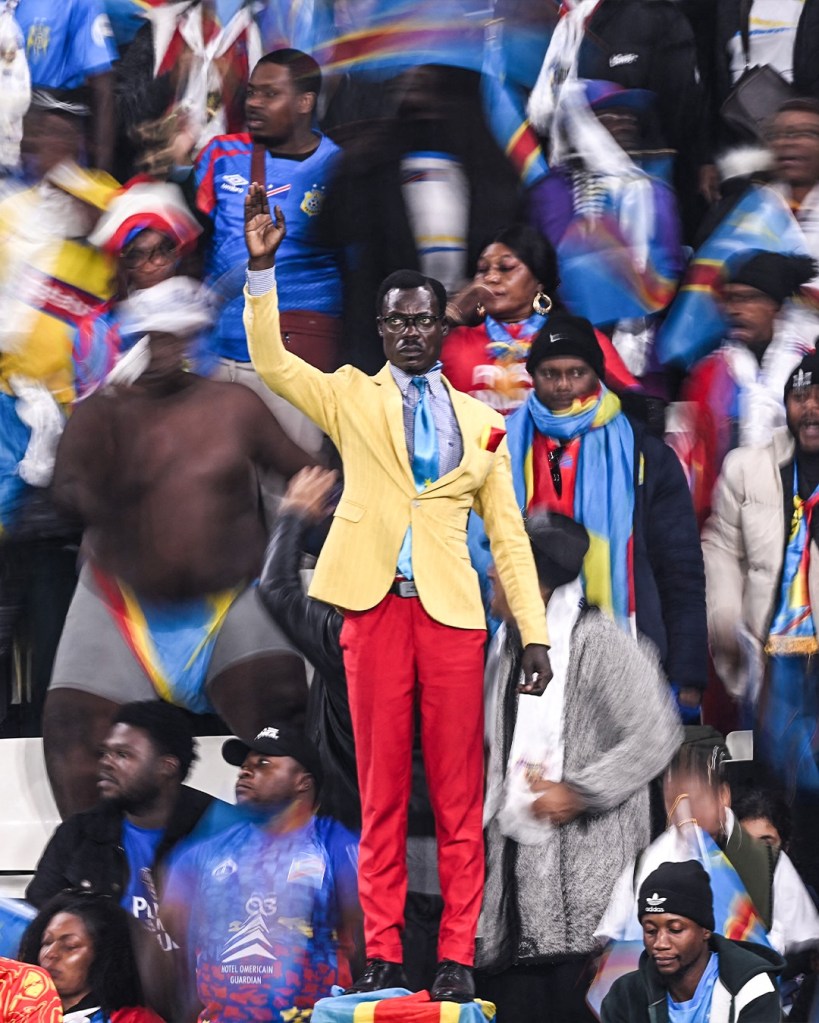
Decades later, those convictions have resurfaced in many ways, including through Michel Nkuka Mboladinga, now widely known as Lumumba Vea. His act is one of many examples of how Lumumba’s life continues to inspire action, reflection, and change long after his time. On Tuesday, during the ongoing Africa Cup of Nations match against Algeria, he stood as a human statue for 120 minutes, embodying Patrice Lumumba’s iconic posture without moving once. While the crowd surged with emotion, he remained still, quietly carrying history into the present.
When Algeria scored just minutes before the shootout, the dream ended on the pitch. The team lost, Lumumba Vea wept openly, and his tears revealed the humanity behind the statue, a man carrying history, pride, pain, and hope all at once. Across the continent and beyond, people who had never heard the name Lumumba began asking who he was and why his image mattered.
In that moment, Lumumba Vea became more than a supporter. He became a vessel through which memory traveled. Today, he stands as one of the most enduring symbols of the Africa Cup of Nations, not because his team won, but because history did.
No donor proposal could have projected that moment. No indicator could have measured its impact. Yet millions continue to feel it.
This is the nature of true ripple effects. A child empowered today may shape a nation tomorrow. A single act of dignity may echo across generations. These outcomes resist spreadsheets, yet they endure.
I am convinced that every human being exists to contribute to something that will live beyond their numbered days on earth. Some do this through professions, others through advocacy, art, passion, or quiet service. The form differs, but the purpose remains the same: to invest in something that outlives us.
True legacy is not always loud. Sometimes it stands silently for the full duration of a match. Sometimes it cries. Sometimes it appears decades later. And when we choose to invest in causes that transcend human projections, we become part of a future we may never see, yet one that will remember that we mattered.

 Thriving Through Trials
Leave a comment